Delicious cuisine
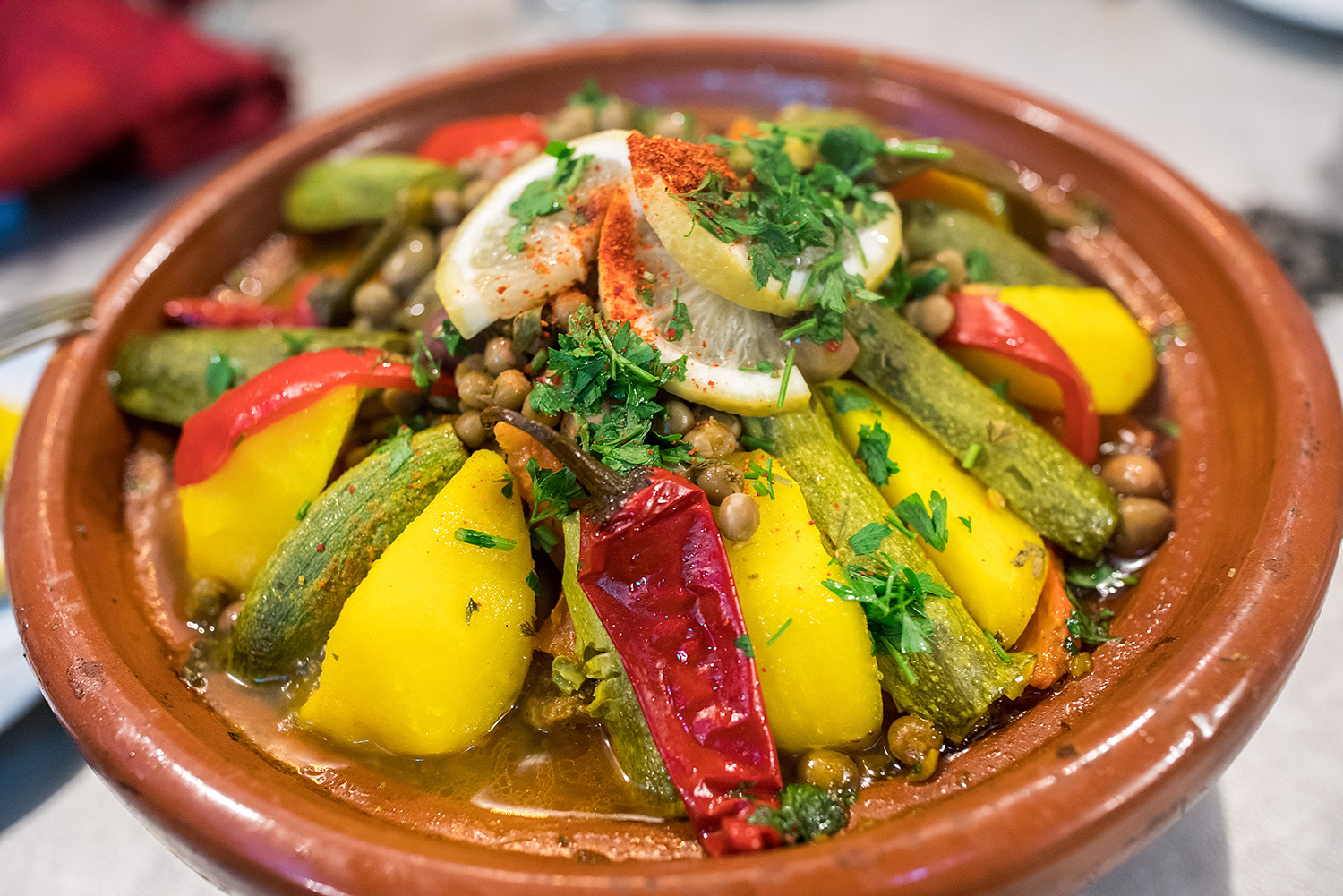
Tagine

It is a must-have dish for celebrations. Originally a traditional cooking vessel that preserves the flavor of dishes, it now refers to the dishes cooked in this vessel. For example, braised chicken, beef, lamb or seafood cooked in it is called a certain Tajine. Specifically, Moroccan spices and meat are put into this vessel and slow-braised for several hours until the meat melts in the mouth. Then, tear off pieces of the firm yet tender, soft yet chewy pita bread to dip and eat with the dish. A warm serving is enough to fill you up right away.

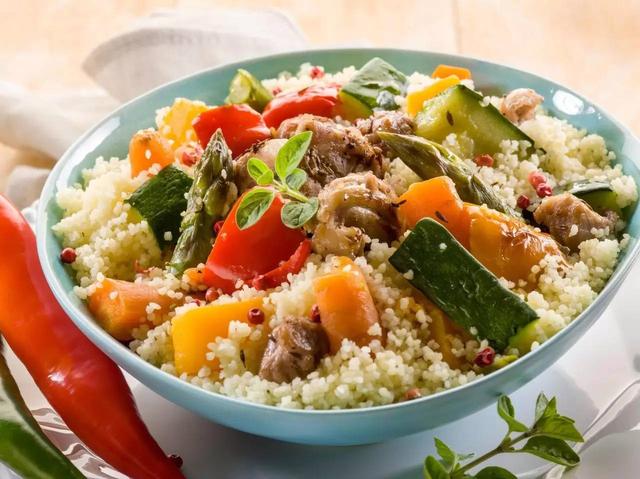
Gousses

It is made by steaming couscous, a North African rice dish, with chicken broth, then lightly coating it with aged butter and steaming again, repeating this process three times. Only after the sweetness of the chicken broth and the rich aroma of the butter have fully infused the couscous are various meats, vegetables and soups poured over it. It has a unique flavor and is very popular among the French, which is why there are many Moroccan-owned couscous specialty stores in France.

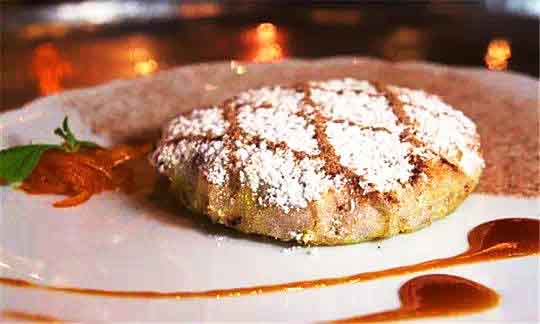
Pastilla

It is a famous Moroccan festival dish with elaborate preparation that takes four to five hours. First, stew chicken with spices and cream until tender, then debone and chop the chicken. Blanch almonds in water to remove their skins, stir-fry them until golden, then crush them. Sauté onions with eggs over low heat until thickened. Finally, layer the fillings of chicken, crushed almonds and scrambled eggs one by one, and bake in the oven.

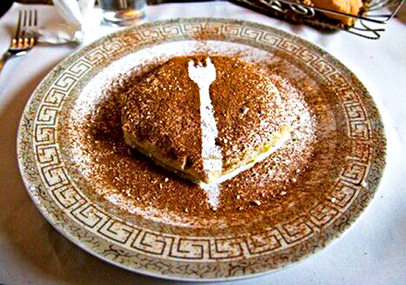
Moroccan Puff Pastry — Fetta

It is filled with chicken and beef (or beef and lamb), served with triangular flatbread on the side, and drizzled with rich chicken and grape juice to go with the meat. The addition of unsweetened milk gives it a subtle milky aroma, with a more delightful taste the more you chew, making it distinctly different from other dishes.

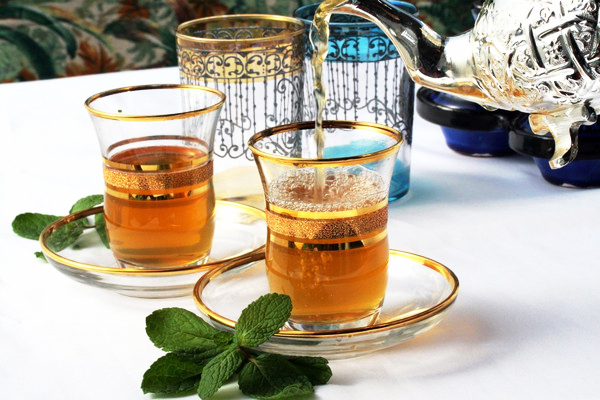
Moroccan mint tea stands out as the most distinctive of Moroccan mint tea beverages; Turkish coffee is brewed with spices and can also be used for fortune-telling. If you’re worried about gobbling down each dish in excitement and being unable to savor the subsequent ones to your heart’s content, it’s best to know in advance how many courses there will be. You can simply count the tablecloths laid on the table—since one tablecloth is removed along with the plates after each course, the number of tablecloths reveals the number of courses.

Technology
  • Argan Oil
  • Leather Products
  • Handmade Carpets
  • Painted Craft Plates
  • Exquisite Silverware
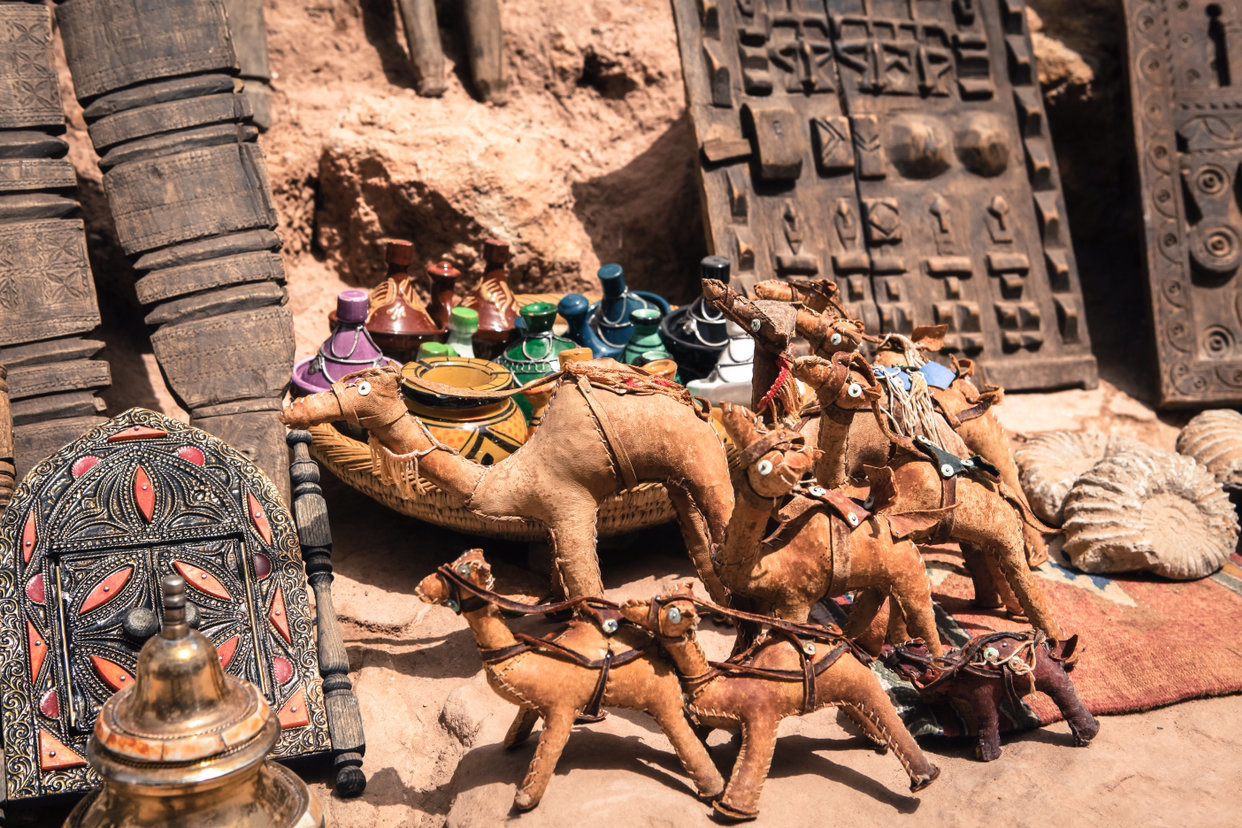
  • Wood Products
  • Glass Teapot, Glass Cup
  • Bronze Teapot

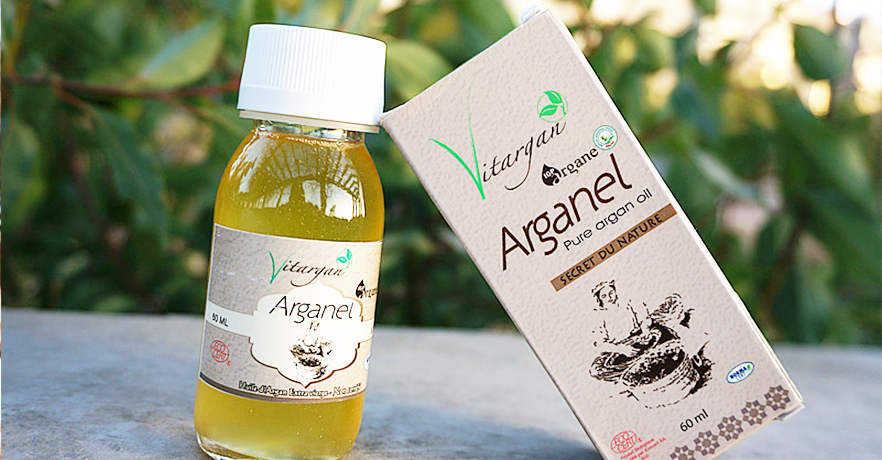
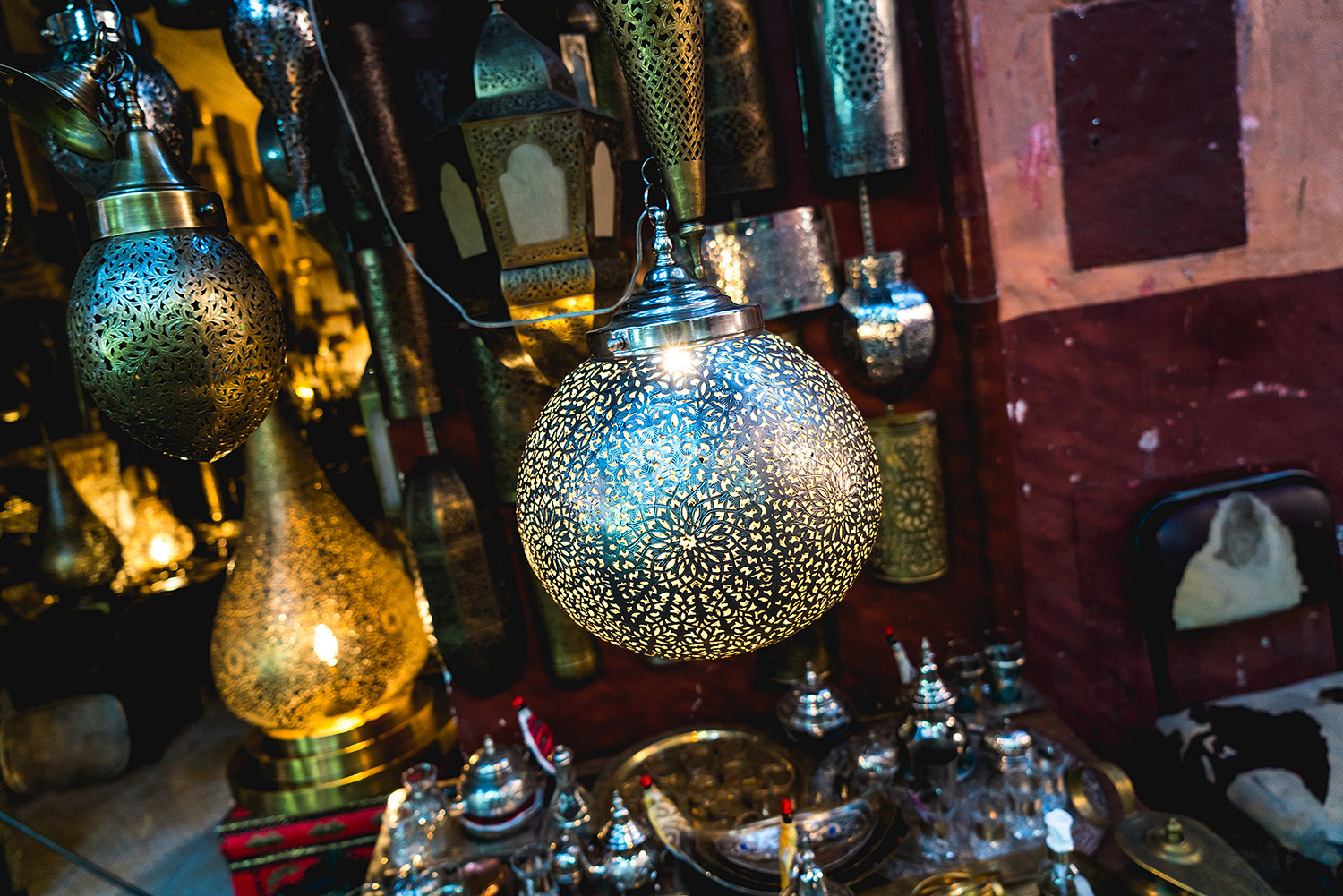
    The argan tree is a species endemic to Morocco, drought and high temperature resistant, mostly growing in southern Morocco with a lifespan of about 150 to 200 years. Argan oil pressed from argan fruits is an extremely precious oil. Rich in vitamin E, omega-3 and omega-6 fatty acids, argan oil contains twice as much vitamin E as olive oil and a much higher content of linoleic acid than olive oil. Once upon a time, making cosmetics with argan fruits and argan oil was a secret known only to Berber women. As a beauty product, argan oil can be used to massage the face, nails, hair and body. It is said that due to its high content of vitamin E and saponins (which soften the skin), argan oil has a remarkable anti-wrinkle effect. Many Europeans traveling to Morocco will go to Moroccan shops in the old town to look for this "miracle oil" as a souvenir and gift for relatives and friends, or for their own use.

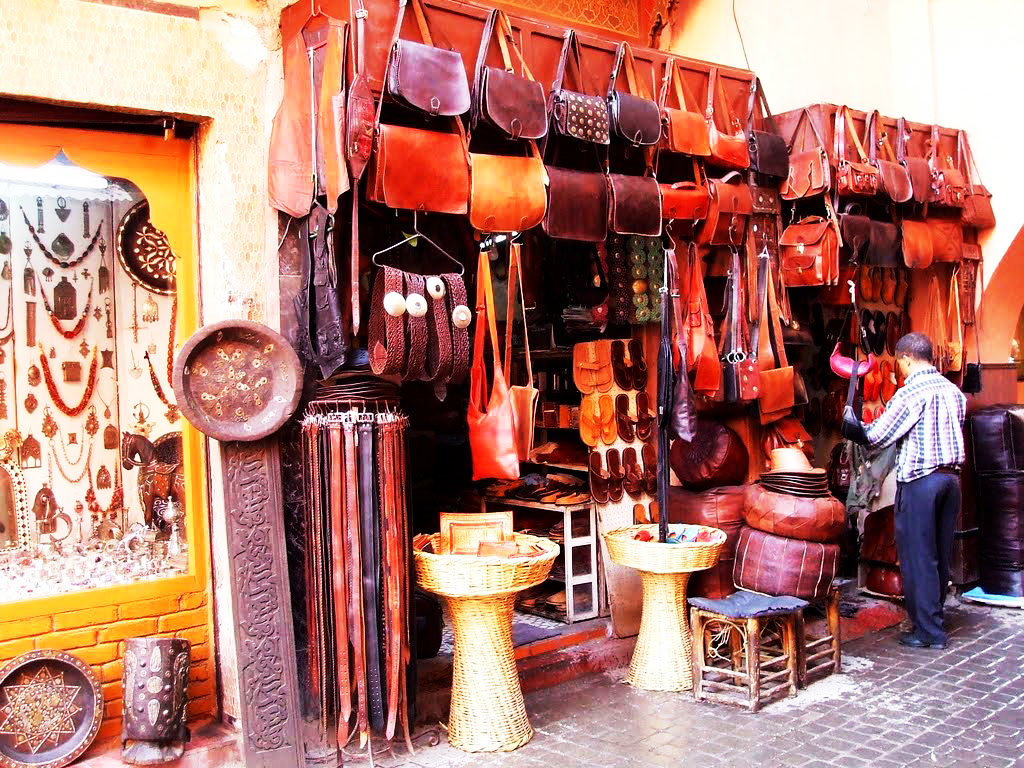
    The leather products of Fez are said to have a history of more than a thousand years. From tanning and degreasing to dyeing, all processes use natural materials and are done by hand. This manual leather-making method has been passed down from generation to generation, with 150 families in the whole city inheriting this craft for generations. The first step in leather making is to remove the hair from the hide. Then, pigeon droppings are mixed with lime water and human urine, and the mixture is poured into large vats to soak the hides for three days, resulting in an extremely foul smell in the workshop. Visitors are given a mint leaf to smell to alleviate the stench. The large vats are arranged like a honeycomb. After degreasing, the hides are put into rollers for cleaning and kneading. Once softened, the hides are soaked in dye vats for several days. All dyes are made from natural minerals or plants, and the hides are constantly turned to ensure even dyeing. Finally, they are left to dry in the sun. The finished leather is soft, durable, bright in color and fade-resistant, making it highly sought after. A large amount of Italy's leather is imported from here and then processed into famous brands that sell well worldwide.

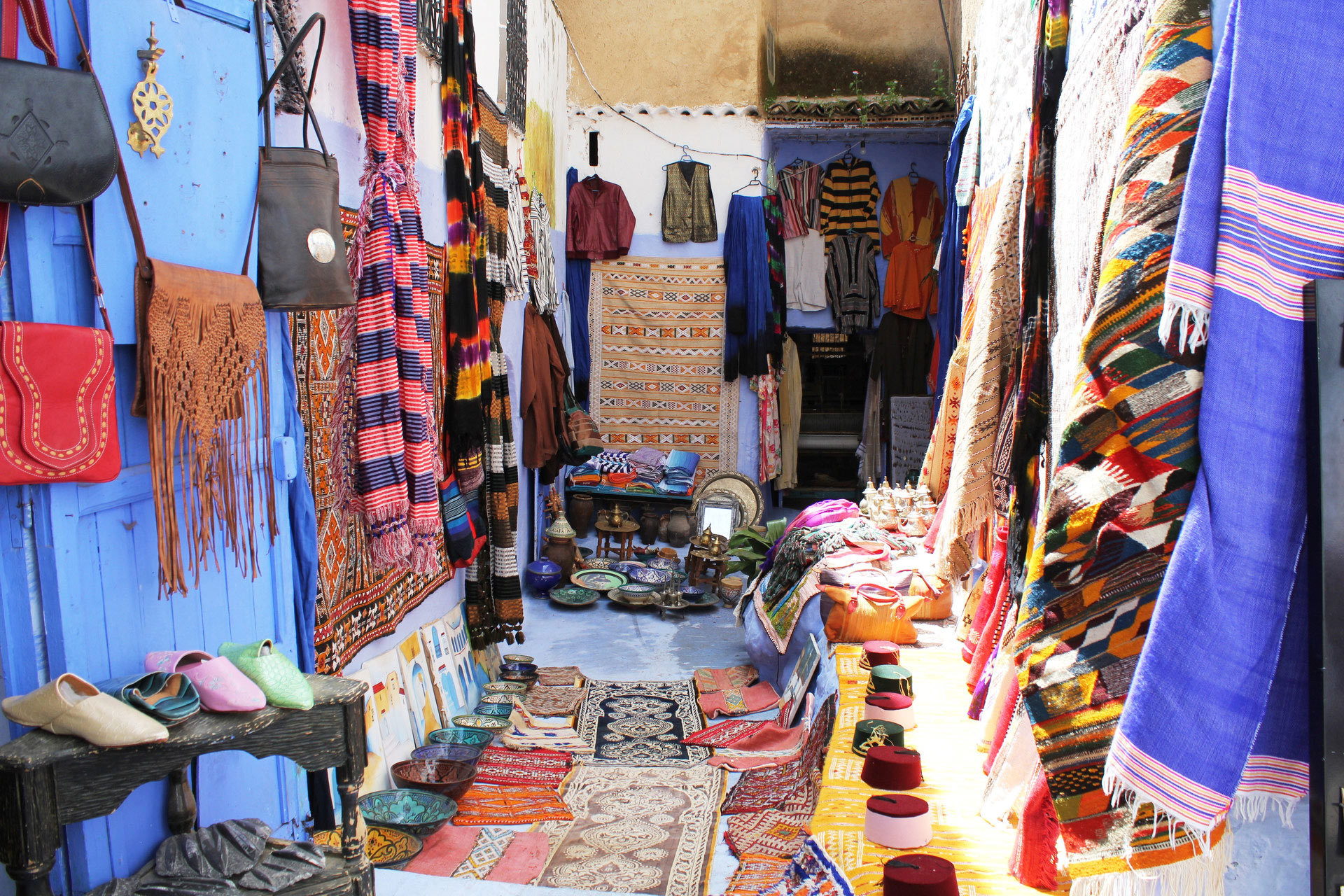
    Since the 19th century, Moroccan carpets have become one of the most popular commodities in North Africa, and gained international reputation in the early 20th century after being used in interior design by architects such as Le Corbusier. Dyed with natural plant pigments including henna, indigo and saffron, they boast distinct regional characteristics: Rabat carpets mostly feature triangular or diamond patterns; carpets from the High Atlas region have symmetrical patterns; the Middle Atlas region prefers intricate asymmetrical patterns with a thickness of nearly 4 centimeters; carpets made by the Berber nomads of the desert are easily recognizable, with wavy lines representing undulating sand dunes and geographical elements such as camels and stars in a simple style; Arab carpets that have absorbed Ottoman Turkish or Spanish Moorish styles are more gorgeous. Each carpet has a unique color scheme and pattern, and the best traditional handmade carpets are woven from 100% wool and dyed with plant pigments. The price depends on the carpet's size, material, number of knots and the complexity of the pattern. A carpet with different patterns on both sides can cost as much as 5,000 US dollars, and you can also get a small carpet with simpler craftsmanship for 150 US dollars. In addition to paying attention to the central pattern, do not ignore the carpet edges, as carpets with fine and firm edges are priced higher.

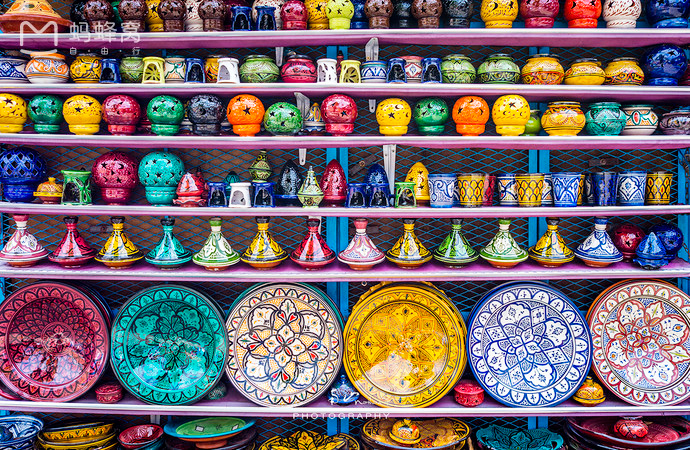
    Morocco is a country full of colors, where architecture, costumes, spices and other things are all colorful. And the colorful Moroccan painted craft pottery plates are the condensation of the country's colors.

    The art of silverware has a long history, and Moroccan craftsmen have always been making silverware with traditional exquisite craftsmanship. When the exquisitely carved Moroccan silverware is presented to you, you will surely be intoxicated by it.

    The octagonal wooden table is made by the traditional craft of carving grooves in walnut wood and inlaying shells, with trays, glass cups and table lamps on it all in typical Moroccan style. All these match the bold and gorgeous artworks, creating a bright and striking feeling. The golden cushions with stripe patterns are made of satin fabric.

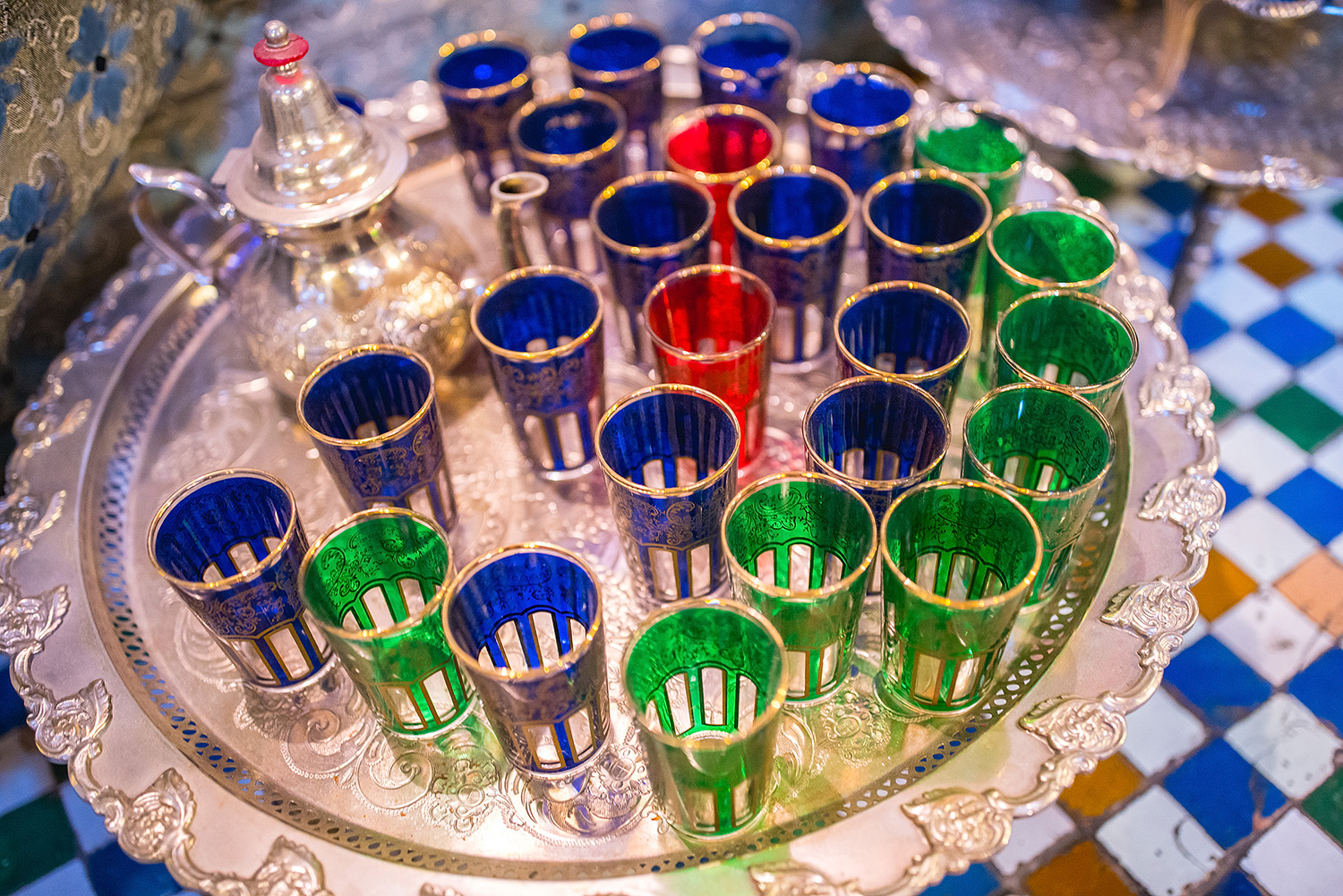
    The brightly colored glass teacups and glasses are all hand-colored by craftsmen. The mysterious colored glass is simply painted with arabesques or geometric patterns. All kinds of patterns are typical Moroccan decorative elements, which are not only practical but also add decorative charm to the dining table.

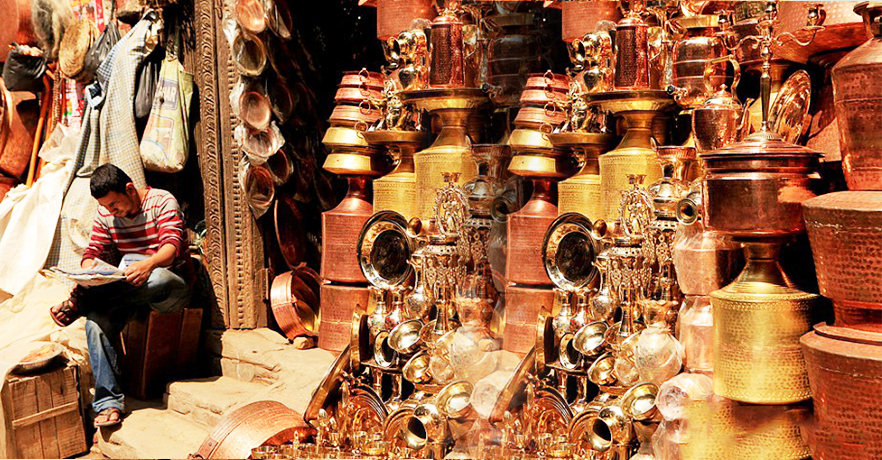
    Silver-plated bronze teapots and trays with traditional designs are the tea sets Moroccans often use to drink traditional mint tea. On festivals or any gatherings with relatives and friends, such a set of tea sets made by traditional craftsmanship is sure to add a lot of charm to the party.

Local Customs
  • 01Meeting Etiquette
  • 02Visiting Etiquette
  • 03Dining Etiquette
  • 04Dress Etiquette
  • 05Tourism Etiquette
  • 06Wedding Etiquette
  • 07Business Etiquette
  • 08Main Taboos

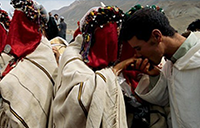
    When Moroccans meet guests, they generally customarily use the hug greeting, and the handshake is also becoming increasingly popular. African handshakes have unique characteristics. When relatives and friends reunite, both sides gently shake each other's right hands, then touch each other's thumbs, and finally shake hands warmly and firmly. During the exchange of greetings, their right hands remain tightly clasped until the end of the greetings. When shaking hands, the left hand is strictly prohibited from being used. Moroccan women often perform a curtsy when meeting guests. They regard tea as an excellent treat for welcoming guests. When Moroccans feast guests, they always offer tea three times to show their respect. After receiving tea three times, guests must drink it respectfully; otherwise, they will be considered impolite.

    1514524947906243.png

    When visiting an Arab family in Morocco, if a guest meets the host's wife, they may offer greetings but must not be overly affectionate, and should never take the initiative to shake hands. In body language, extending the middle finger and bending it back implies an improper relationship and is considered frivolous. It is best not to lavish excessive praise on any of the host's possessions, as they may feel compelled by social custom to present it as a gift. When receiving a gift from a Moroccan Arab, use only the right hand and never the left. In daily life, Africans have extremely strict rules for the division of labor between their hands: anything put into the mouth must be held with the right hand, and anything unclean must be held with the left hand; mixing the two is strictly forbidden.


    1516874937717526.png

    Moroccans love eating mutton. On the traditional Sheep Sacrifice Festival, every household holds a mutton feast to celebrate. The main activity of the festival is the Sheep Sacrifice Ceremony, which is mainly for praying for a bountiful harvest. The Sheep Sacrifice Festival is a traditional national and peace festival in Morocco. According to customs, people are not allowed to fight, quarrel or have conflicts during the festival and must live in peace. Since tea was introduced to North Africa, Moroccans have generally taken up drinking it. Chinese green tea enjoys a high reputation in Morocco, and tea shops can be seen everywhere on the local streets and lanes.


    1516874973830182.png

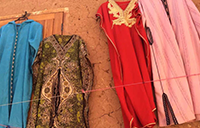
    In Morocco, there is a distinct difference in clothing between urban and rural areas. Women in cities mostly wear long white or gray robes reaching the ankles, with their faces covered by multiple veils, leaving only their eyes exposed. Men generally wear robes and thick headscarves. Moroccans often use large head cloths as headwear, which can cover their faces when needed. In Morocco, the color of people's clothing can indicate their identity and occupation. Moroccan gold and silver jewelry is exquisitely crafted, especially the luxurious gold and silver belts and floral crowns worn by brides at weddings. In addition, women of the Berber ethnic group in Morocco also like to wear various traditional head ornaments.


    1516874997709104.png


    When traveling in Morocco, it is advisable not to strike up a conversation with unfamiliar women while walking, taking transportation, shopping or visiting attractions. If you interact with hospitable Arabs during your trip, such as when sightseeing, staying at accommodation or making phone calls, you can address elderly people as "Ammon". If you call an elderly shopkeeper "Haji", he will receive you with greater enthusiasm. The best time to visit Morocco is from March to June each year, and mid-September to mid-December is also a good period, with temperatures ranging from 18 to 25 degrees Celsius. The weather from June to September is quite hot, especially in the Sahara Desert, and there is a considerable temperature difference between morning and evening in the desert and mountainous areas. Major stores accept credit cards but may charge an additional 3% to 5% fee.


    1516875043453371.png

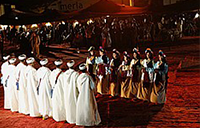
    The Berbers of Morocco regard the liver as a symbol of love. Every September, they hold a grand courtship festival in the Imilchil area, where young men and women gather in their festive finery. The girls dress up elaborately, veiling their faces with only their eyes exposed, waiting for the young men to choose them. If a young couple falls in love at first sight and decides to spend their lives together, the marriage can only take place after the young man's father proposes to the girl's father. The traditional engagement ceremony of Moroccans is extremely grand. August, right after the summer harvest each year, is the golden season for young people to get engaged or married.


    1516875068790803.png

    When doing business with Moroccans, be fully prepared for their lateness to appointments and do not show any blame when they are late, as they consider this a social grace. Before the start of a business meeting, it is best to present your business card, which should be printed in English and French. Moroccan businessmen may invite you to their homes for a lavish feast that lasts for several hours, yet you will rarely see their wives.


    1516875094350699.png

    The vast majority of Moroccans believe in Islam, and the rest believe in Christianity and Judaism. They do not drink alcohol and rarely smoke. No one may enter their houses without taking off their shoes unless permitted by the host. Shoes must be removed when entering a mosque. Like Westerners, they taboo the number "13". They regard white as an unlucky color, considering it a symbol of poverty.

    1518432250741925.png


Traditional Festival

1516875147715300.png


The following festivals are based on the Gregorian calendar, each with a one-day national holiday.


[TIPS: Around August every year is Morocco's vacation period, when staff of government departments, enterprises and other public institutions in Morocco take vacations one after another]

Islamic New Year's Day: 1 day off

Eid al-Fitr, celebrating the end of Ramadan: 2 days off, with the custom of buying new clothes for children and giving them pocket money

Eid al-Adha: The most important traditional festival, equivalent to the Spring Festival in China, 2 days off, when families gather and there are activities such as sheep sacrifice

Mawlid al-Nabi, commemorating the birth of the Prophet Muhammad: 2 days off


History and Culture

The earliest inhabitants were the Berbers. In the 7th century AD, the Arabs entered the region and established the first Arab kingdom in the 8th century. The Alawite dynasty, which remains in power in the early 21st century, was founded in 1660, and King Mohammed VI is the 23rd monarch of this dynasty. Starting from the 15th century, Western powers invaded successively.

In October 1904, France and Spain signed an agreement to divide their spheres of influence in Morocco.

On March 30, 1912, Morocco became a French protectorate. In the same year, France and Spain signed the Madrid Treaty, under which the northern zone of Morocco and Ifni in the south were designated as Spanish protectorates.

Morocco gained independence on March 2, 1956. On August 14, 1957, it was officially named the Kingdom of Morocco, and the Sultan was renamed the King.

King Mohammed V passed away in February 1961, and King Hassan II ascended the throne in March of the same year.

On July 23, 1999, King Hassan II died of illness. Crown Prince Sidi Mohammed acceded to the throne on the same day and was officially crowned as King Mohammed VI on July 30.

The entire population is Muslim. Pork, blood, carrion, and animals slaughtered in a name other than Allah's are forbidden to eat; alcohol is prohibited. During Ramadan, eating and drinking in public are not allowed. Unauthorized photography of the portrait of the Moroccan King is prohibited, and authorized photos can be purchased in licensed stores. Couples should avoid overly intimate behavior in public.


Contact Customer Service

Monday to Friday, 9:00–18:00
[M]
  • Tel: +212522301665
  • Mob: +212 624513362
  • Mob: +212 662816865
  • [Z]
  • +861084801961
  • 2355316169
  • info@amcvoyages.com
  • Follow Us

  • Qualification Certification
    摩洛哥旅游局
    摩洛哥旅游部
    法国安盛保险
    IATA
    Cooperating Organizations
    哈桑大学孔子学院
    默罕默德五世大学孔子学院
    摩中友好协会
    摩洛哥企业联合会
    Espace Paquet, Angle Rue Pierre Parent & Mohamed Smiha,Bureau 308 ,Casablanca , Maroc/ No.Licence: 46D/12
    Copyright © 2017–present 摩洛哥友好旅行社 MOROCCO AMITIE VOYAGES All rights reserved
    Record Number :京ICP备18006210号-1