


- Trip Highlights
- Itinerary
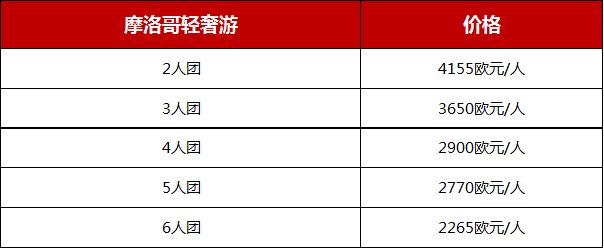
- Cost Description
- Other Notes
- I Want to Register


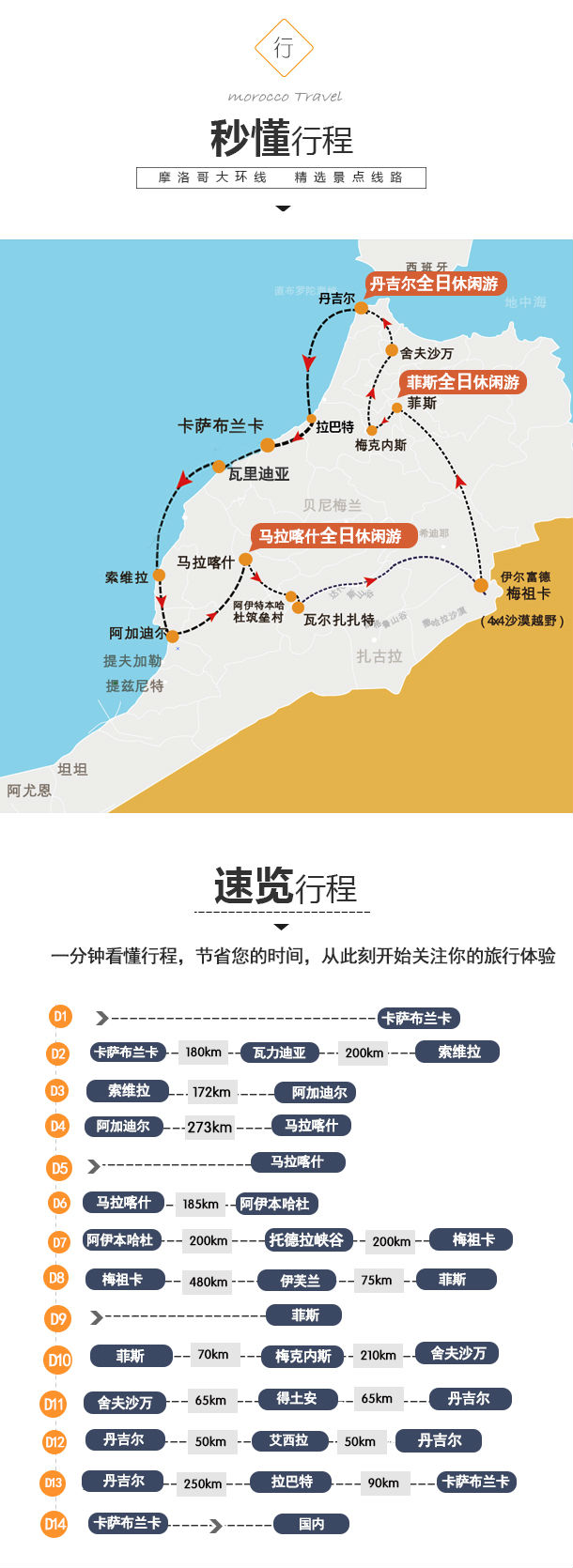
D1
day 1
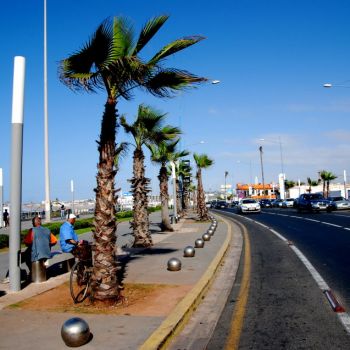
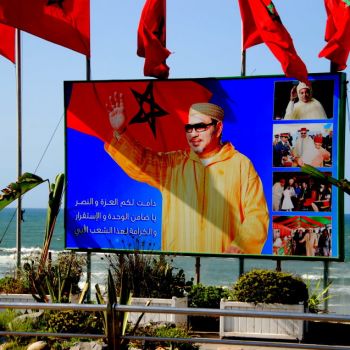
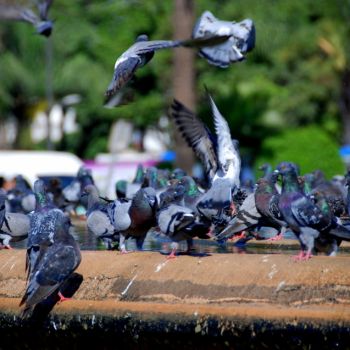
Upon arrival, the tour guide will be waiting for you at the airport with a pick-up sign. After a successful pick-up, take a car to visit **Mohammed V Square** and **Hassan II Square (Dove Square)**. Stroll along the **Miami Beach Promenade** in Casablanca, facing the sea breeze and overlooking the blue Atlantic Ocean. Check in and rest at the hotel after dinner.
D2
day 2
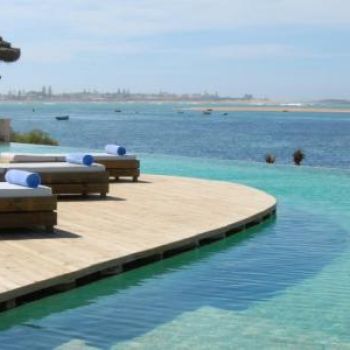
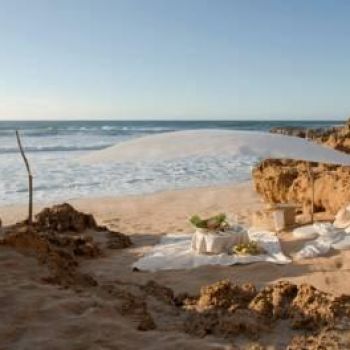
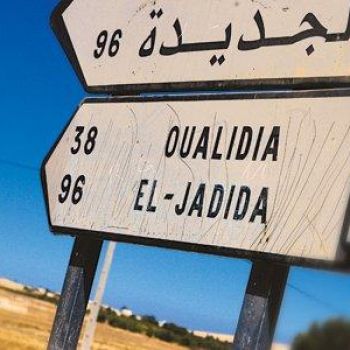
After breakfast at the hotel, head to the coastal town of Waliya by the Atlantic Ocean. Its natural bay is moon-shaped, hence the name Moon Bay, a quiet and beautiful seaside town with stunning scenery of blue sky, clear sea and white sand. The houses are built against the mountain and the streets are clean, making people feel relaxed and happy. Sea urchins, oysters, razor clams and surf clams are sold by the roadside everywhere. It is also the most famous oyster-producing area in Morocco. Enjoy a fantastic feast of oysters and king crab for lunch, which leaves a lasting aftertaste. Then drive to Essaouira, known as the "White Pearl of the Atlantic".
D3
day 3
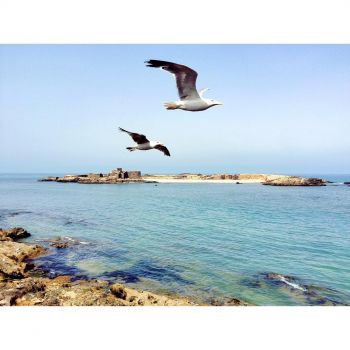
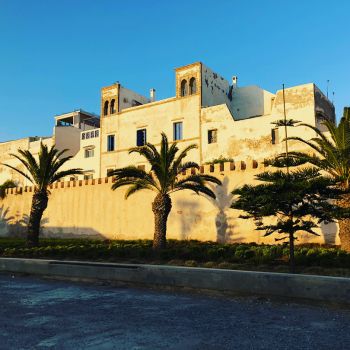
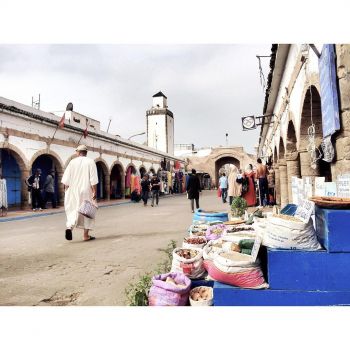
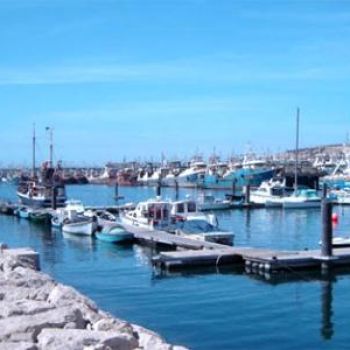
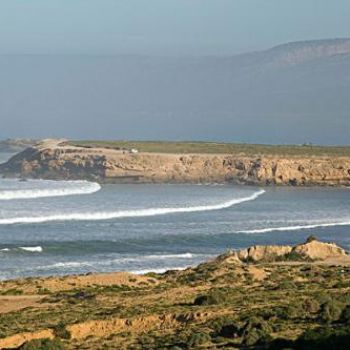
After breakfast at the hotel, explore Essaouira, whose Arabic name means "as beautiful as a painting". It is a renowned destination for windsurfing and surfing enthusiasts in Morocco, also known as the "Windy City" of Africa and hailed as the top sunset spot in Morocco. White seagulls soar freely, and blue fishing boats shuttle back and forth; the picturesque castles and turrets, the labyrinthine local old town Medina listed as a World Cultural Heritage by UNESCO, tranquil squares and art workshops, and the bustling dock market all captivate people deeply. Wander through the art galleries of this exquisite town, where you can also buy local characteristic TUIYA wood carvings (the only production place in the world) and experience the art of Moroccan painting and carving. After the tour, head to Agadir, and if lucky on the way, you can witness the unique local wonder of goats climbing trees, the only one of its kind in the world. Check in and rest at the hotel after dinner.
D4
day 4
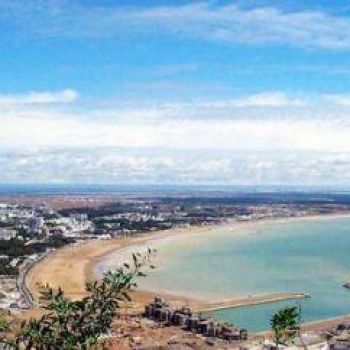
After breakfast, explore Agadir and take the le petit train to visit the main blocks of the city and enjoy the urban scenery along the way. Then head to visit La Vallée des Oiseaux Park in the city center, where the environment is beautiful and you can see parrots, flamingos, antelopes and other animals. Next, visit the Kasbah Old City Ruins of Agadir, the commanding height of Agadir, where you can overlook the panoramic view of the city and enjoy the scenery of the beach and port. As the sun sets, you can take a leisurely walk along the seaside promenade, or stop for a rest in a café, have a cup of coffee or juice (at your own expense) and enjoy the live performances with strong local and European styles. After that, leave for Marrakech, check in and rest at the hotel after dinner.
D5
day 5
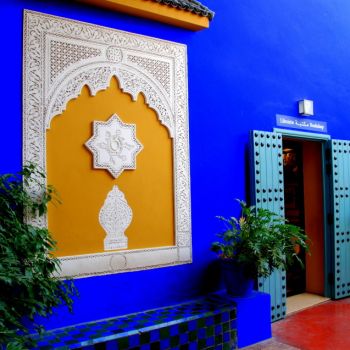
After breakfast, visit the Koutoubia Mosque (exterior view) and the Majorelle Garden (Yves Saint Laurent's Private Garden) (the renowned fashion designer Yves Saint Laurent and his partner Pierre Berge purchased this private garden in Marrakech, Morocco during his lifetime, which served as a tranquil retreat for the top French designer).
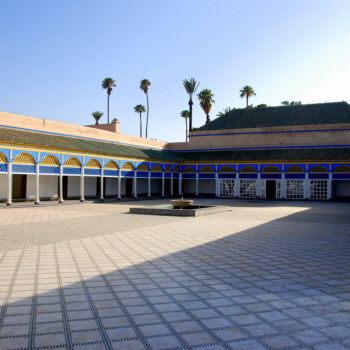
Later, tour the Bahia Palace, one of the few well-preserved royal palaces open to the public in Morocco, featuring exquisite gardens, courtyards, ornate rooms and fountains, with every room meticulously designed.
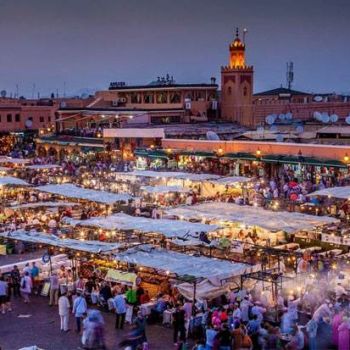
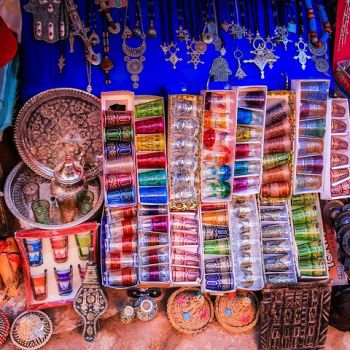
In the evening, visit Jemaa el-Fnaa Square: From sunrise to late night, you can see Indian snake charmers, Arabs selling spices and tea, Moroccan elders telling stories and fortune-telling, various street performers, as well as countless stalls selling food, drinks, clothing, carpets, ornaments, leather goods and handcrafts. Just like Lan Kwai Fong in Hong Kong and Xintiandi in Shanghai, this square endows Marrakech with endless vitality.
D6
day 6
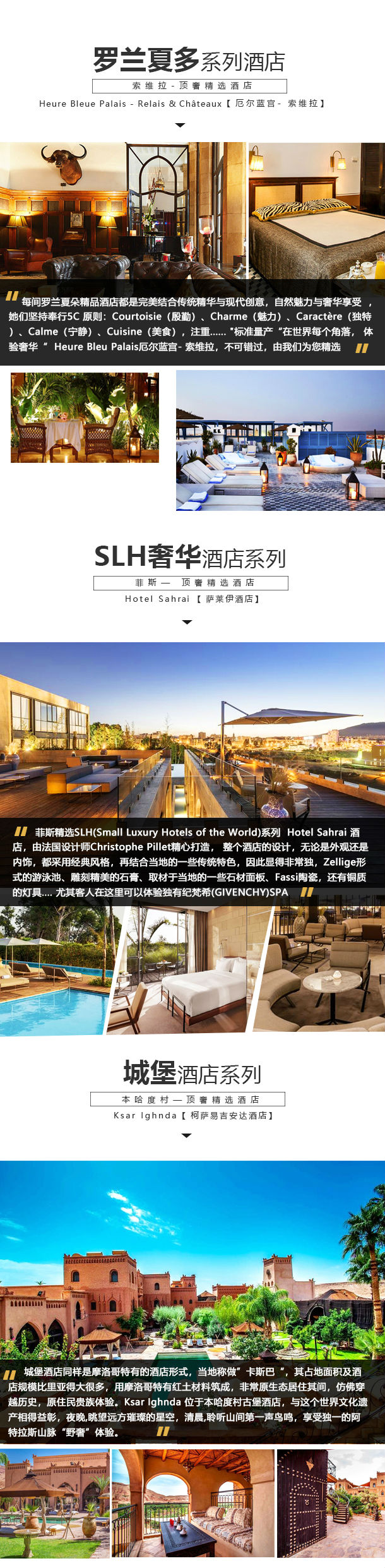
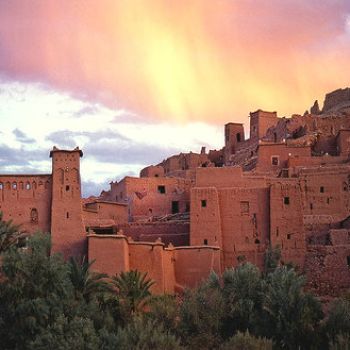
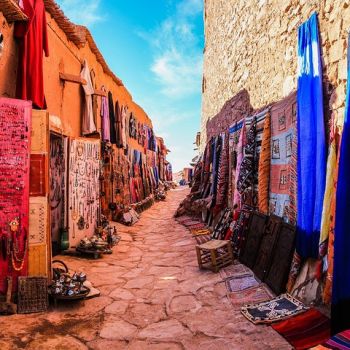
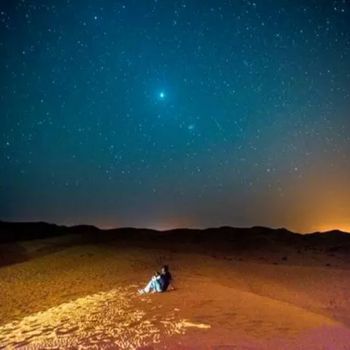
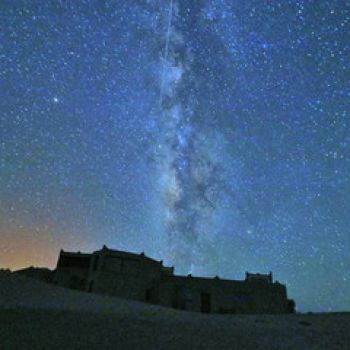
After breakfast at the hotel, drive to Ouarzazate, the film base of Morocco. Cross the mountain pass of the Atlas Mountains at an altitude of about 2260 meters, winding through valleys and cliffs, with the whole natural scenery in full view. Pass by Ait Benhaddou Village, a world cultural heritage site in the desert. This ancient city in southern Morocco was an important pass in ancient times, preserved extremely well and listed as a world heritage site by UNESCO in 1987, being the most beautiful ancient village. Stay overnight at the kasbah hotel in Ait Benhaddou Village. Overlook the bright starry sky in the distance at night, listen to the first bird chirp in the mountains in the early morning, and enjoy the unique "wild luxury" experience of the Atlas Mountains.
Kind Reminder: The itinerary today crosses the Atlas Mountains. For those prone to motion sickness, please prepare motion sickness medicine in advance or use an eye mask to sleep on the bus.
D7
day 7
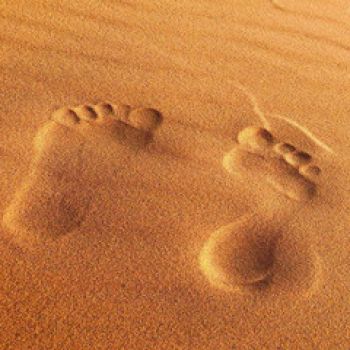
After breakfast at the hotel, drive to Merzouga for the whole day via Todra Gorge. At the bottom of the river valley, green willows, flowers, plants and various trees sway in the breeze, presenting an indescribably beautiful natural scenery. In sharp contrast, the surrounding canyon is a barren and desolate reddish-brown, forming a marvelous landscape. Arrive at Merzouga, the famous gate to the Sahara Desert, at noon and transfer to a 4*4 off-road vehicle to enter the desert (please bring sun protection products and sunglasses) for an exciting desert dune bashing experience. The Sahara here is unique, renowned for its dunes of various shapes and their stunning color changes of gold, pink and other hues with the natural light. The sunrise and sunset offer distinct breathtaking views, making it a unique desert scenery in Morocco and the Sahara of countless people's dreams! Here you will see the highest sand dunes (red sand) in Africa, which is also one of the filming locations of the movie *Lawrence of Arabia*. Check in and rest at the hotel after dinner.
Kind Reminder: A luxury hotel by the desert is an alternative if you do not choose the tent accommodation.
D8
day 8
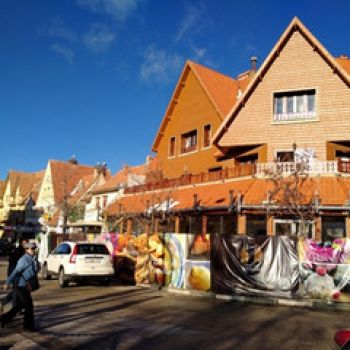
Kind Reminder: Ifrane may be inaccessible in winter due to heavy snow blocking the mountain roads.
D9
day 9
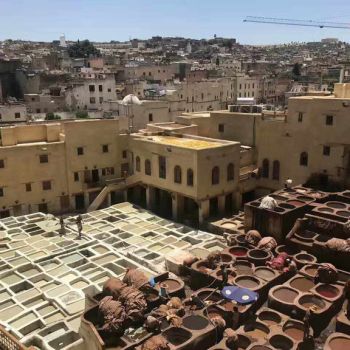
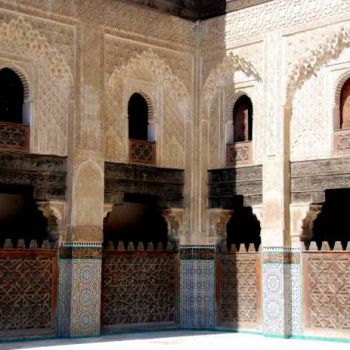
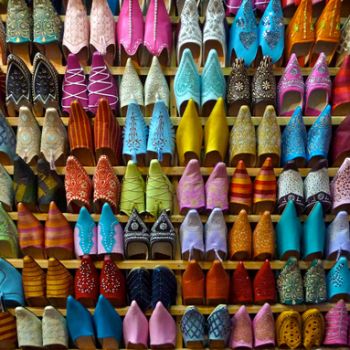
After breakfast at the hotel, visit the 9th-century Fes el-Bali (Old Fes), named one of the world’s 10 most romantic cities by the renowned American magazine Traveler. Stepping into it feels like a journey back a thousand years, where donkeys remain the main means of transportation for locals. Explore the medieval old town—a UNESCO World Heritage Site since 1981—and visit landmarks including the Attarine and Bou Inania Medersas (Quranic schools), Nejjarine Fountain, Moulay Idriss Zaouia (the mausoleum of the city’s founder), and the exterior of the University of Al-Qarawiyyin (the world’s oldest university). You’ll also see the Bab Boujloud (Blue Gate) and the famous traditional tanneries. Discover the world-renowned handicraft workshops producing copper plates, carpets, dyed leather goods and more; blue mosaic tilework adorns buildings, interior decorations and handicrafts displayed in shops throughout the old city.
Check into the hotel and rest after dinner.
D10
day 10
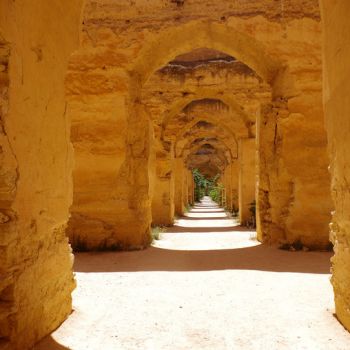
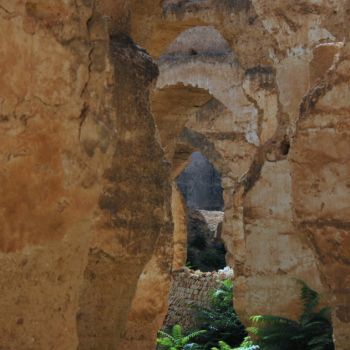
After breakfast at the hotel, proceed to Meknes, the Islamic historic city known as the "Versailles of Morocco", famed for its magnificent ancient city walls and the world-renowned **Bab Mansour** (Gate of Victory and Triumph). Visit the **Hri Souani (Royal Granaries and Stables of Morocco)**; Meknes was listed as a World Cultural Heritage Site in 1996. Next, head to **Volubilis**, the ancient Roman ruins in northern Morocco also inscribed on the World Cultural Heritage List. According to records, this was a prosperous city in the 1st century AD, boasting a thriving scene. Today, well-preserved white stone columns of the Triumphal Arch and Theatre stand here, and the ancient city’s streets, residential houses, oil mills, public baths, markets and more are still clearly visible, along with numerous mosaic murals. Then drive to Chefchaouen, check into the hotel and rest after dinner.
D11
day 11
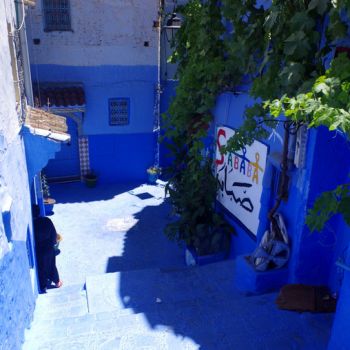
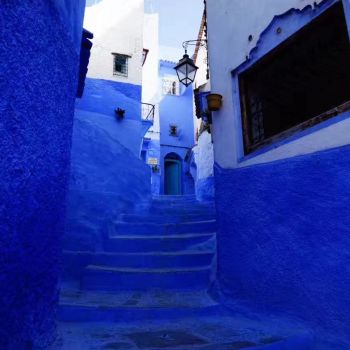
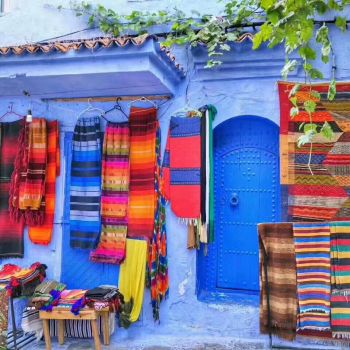
After breakfast at the hotel, explore Chefchaouen, the charming blue town. As a renowned tourist destination in Morocco, its pure and fresh air, seemingly perpetually blue sky and the well-proportioned Arab-style town set off each other, outlining a natural blue picture scroll. Walk along the famous Plaza Uta el-Hammam on the irregular cobblestone roads, and you will instantly feel as if transported to a different era. The mottled castle surrounded by red city walls and the striking Great Mosque on the square all attract tourists to come and admire, pay homage, and even have an urge to kiss them. Then proceed to Tetouan, once the capital of the Spanish Protectorate from 1912 to 1956. Thus, it retains a unique Spanish-Moorish atmosphere, featuring neat Arab quarters, snow-white plastered buildings, tall louvered windows, and the majestic backdrop of the Rif Mountains. The city boasts distinctive architectural and artistic styles deeply influenced by Andalusia, and its old medina is listed as a World Cultural Heritage Site by UNESCO. Afterwards, head to Tangier, check into the hotel and rest after dinner.
D12
day 12
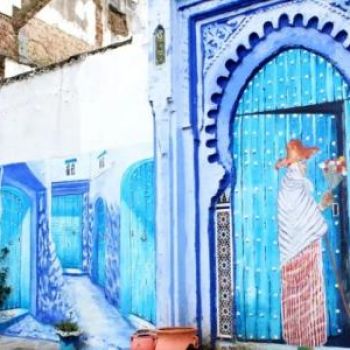
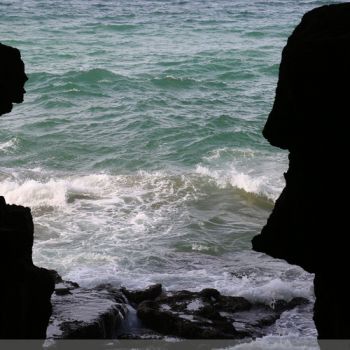
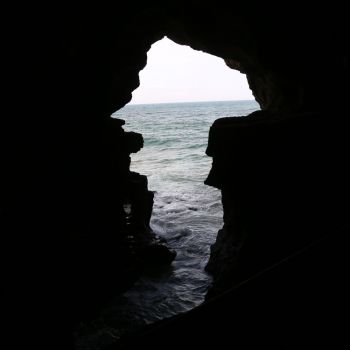
After breakfast at the hotel, visit Tangier, the northwest corner of the Kingdom of Morocco. A gateway to Europe and a historic trading port, it was gifted to Britain by Portugal with a princess in the 17th century and returned 23 years later following local people's resistance. Designated as an internationally controlled free port by eight major powers in 1912, it once became a haven for smuggling, drug trafficking and other illicit activities. Explore the **Old Town**, the renowned **Kasbah Lighthouse** and the **Cave of Hercules**. Then proceed to Asilah, a coastal town influenced by Mediterranean culture. The entire town is painted in varying shades of blue: bulging adobe houses twist and connect with one another, paired with blue walls, blue staircases, blue gates and blue narrow alleys. With gurgling mountain springs flowing through the town, its simple and unadorned beauty is like a vivid painting. Later return to Tangier, check into the hotel and rest after dinner.
D13
day 13
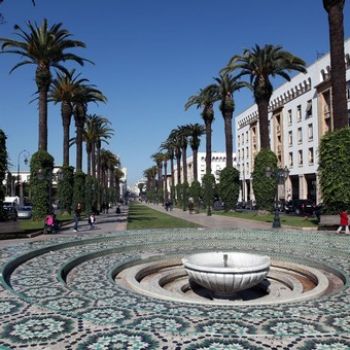
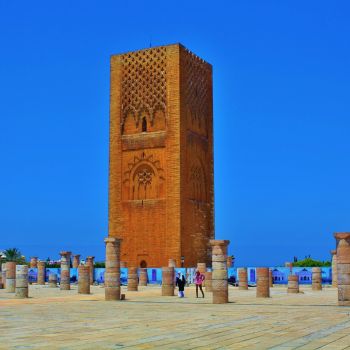
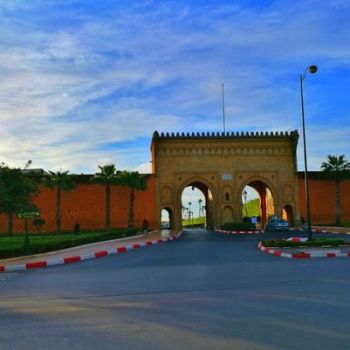
After breakfast at the hotel, explore the capital city: visit the **Moroccan Royal Palace (Exterior)** and the **Moulay Youssef Mosque (Exterior)** with North African architectural style, and the **Kasbah des Oudaias**, where Berber dwellings and streets are preserved, some of which are in blue and white tones, uniquely resembling Santorini. Also visit the **Mausoleum of Mohammed V**, located in the center of Rabat. The entire complex is solemn and magnificent with an elegant style, reflecting the exquisite architectural craftsmanship of Arab Muslims and Morocco's distinctive architectural styles and decorative arts. The mausoleum is extraordinarily resplendent and magnificent, with all wood made of sandalwood. Then visit the **Hassan Tower**, built in 1196 AD by the Almohad Dynasty. The entire complex is solemn and magnificent with an elegant style, reflecting the exquisite architectural craftsmanship of Arab Muslims and Morocco's distinctive architectural styles and decorative arts. Afterwards, proceed to Casablanca, check into the hotel and rest after dinner.
D14
day 14
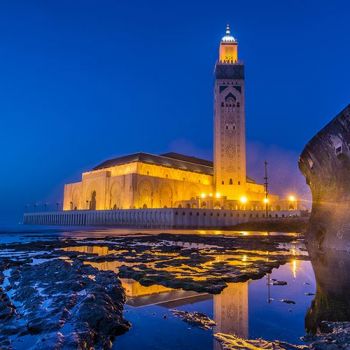
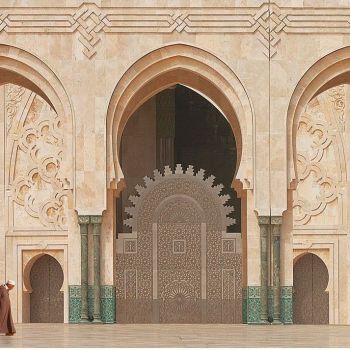
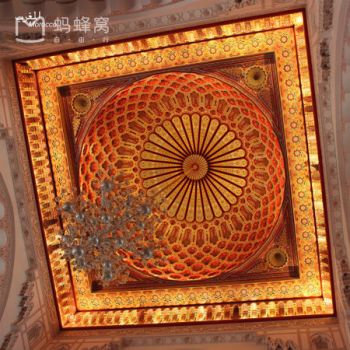
After breakfast at the hotel, explore Casablanca, the city made famous by *Casablanca*, and visit the **Hassan II Mosque**, the most modern mosque in the world. As the third-largest mosque in the Islamic world, it covers an area of 2 hectares, measuring 200 meters long and 100 meters wide. Boasting a retractable roof and 25 titanium alloy automatic doors resistant to seawater corrosion, the mosque also features heated marble floors all year round, truly standing as the world's most modern mosque. Afterwards, proceed to the international airport to end your Morocco trip.
Morocco Circuit Tour
Contact for private tours
- Working Hours

For WeChat contact, please scan the QR code.

Climate & Temperature