


- Trip Highlights
- Itinerary
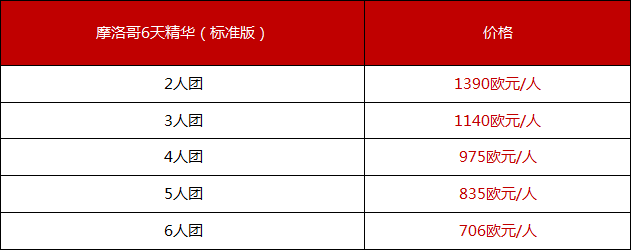
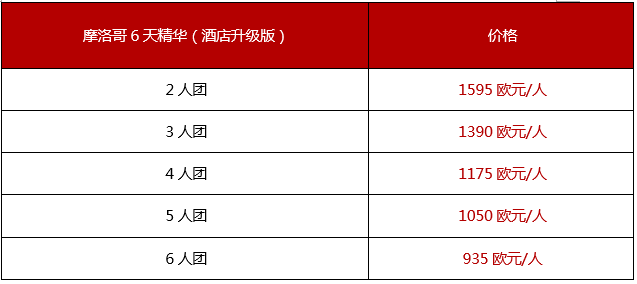
- Cost Notes
- Other Notes
- I Want to Register



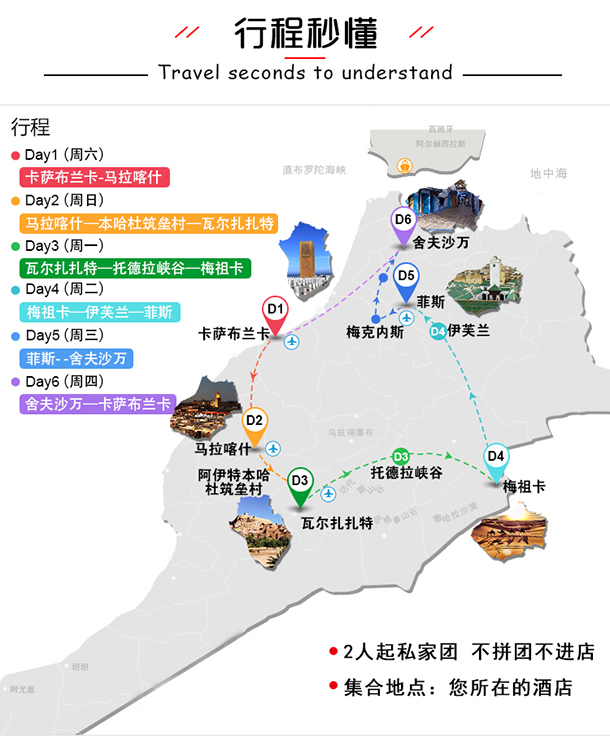
D1
day 1
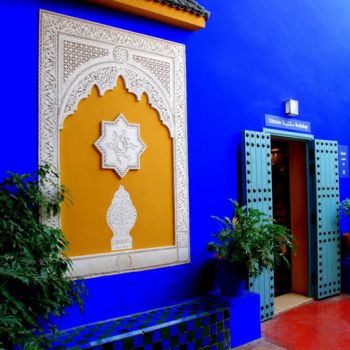
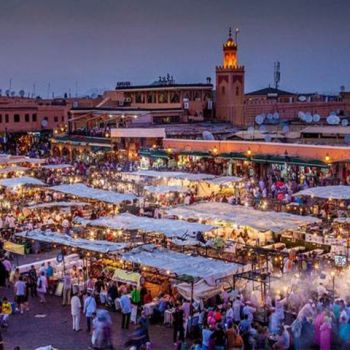
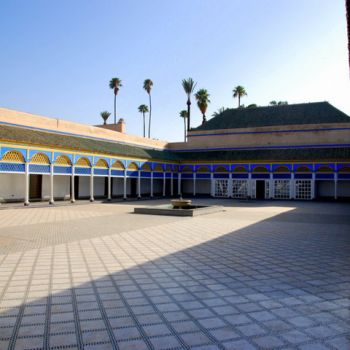
Drive to Marrakech in the morning. Upon arrival, visit the exterior of Koutoubia Mosque and the Majorelle Garden. Afterwards, tour the Bahia Palace, one of the few well-preserved imperial palaces open to the public in Morocco, featuring exquisitely designed gardens, courtyards, magnificent rooms and fountains. In the evening, explore the Jemaa el-Fnaa Square: from sunrise to midnight, you can see Indian snake charmers, Arab spice and tea vendors, Moroccan elders telling stories and fortune-telling, various street performers, as well as countless stalls selling food, drinks, clothing, carpets, ornaments, leather goods and handicrafts. Just like Lan Kwai Fong in Hong Kong and Xintiandi in Shanghai, this square endows Marrakech with endless vitality. Check into the hotel for rest after dinner.
D2
day 2
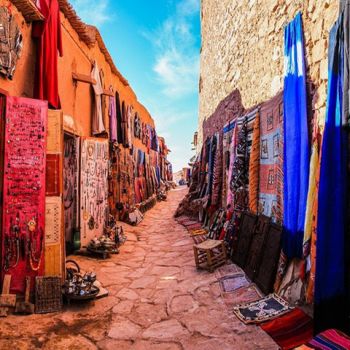
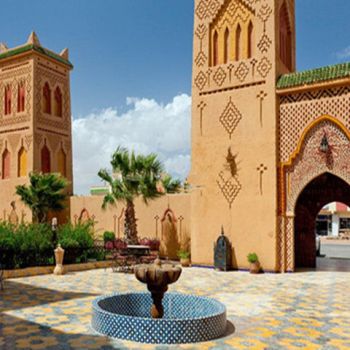
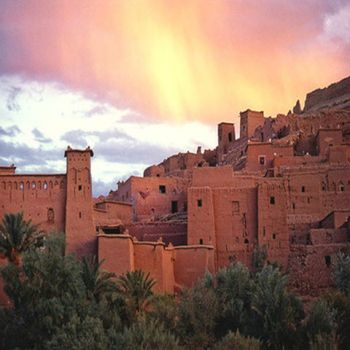
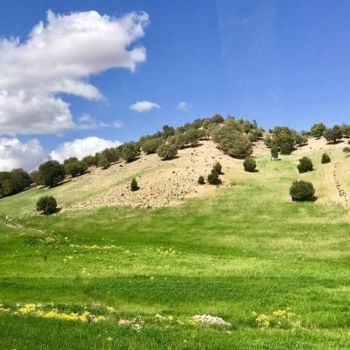
After breakfast, head to Ouarzazate, crossing the mountain pass of the Atlas Mountains at an altitude of about 2,260 meters. The highway winds through valleys and steep mountain peaks, showcasing primitive natural scenery. During several stops along the way, you can admire the magnificent rivers and mountains. Arrive at Ait Benhaddou Kasbah: Climb a hill of the Ait Benhaddou Kasbah near the river valley {Note: Stop taking photos if the river valley suddenly rises in water level}. This well-preserved kasbah was listed as a World Heritage Site by UNESCO in 1987 and is known as the most beautiful ancient village. The ancient city is built with Morocco's unique red adobe bricks, allowing you to fully experience the red charm of Morocco. Later, proceed to Ouarzazate and visit the Atlas Studios, dubbed the "Hollywood of Africa", where many famous films were shot, including *Gladiator*, *The Four Feathers*, *Allan Quatermain and the Lost City of Gold*, *Cleopatra*, *Sahara*, *The Jewel of the Nile*, *Lawrence of Arabia* and *Spy Game*. Check into the hotel for rest after dinner.
D3
day 3
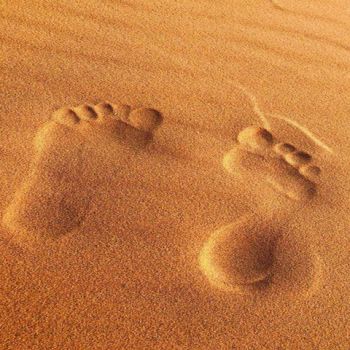
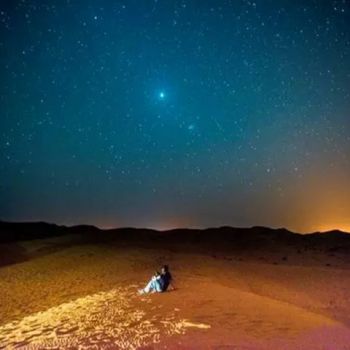
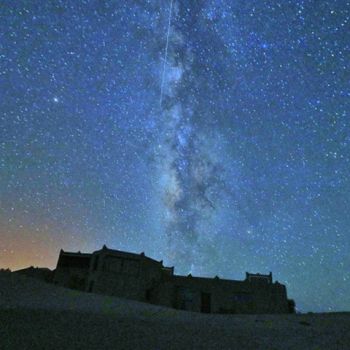
After breakfast at the hotel, drive all day to Merzouga via Todra Gorge. At the bottom of the valley bed, lush willows, flowers, grasses and various trees sway gently in the breeze, presenting an exquisite and incomparable natural scenery. In stark contrast, the surrounding canyon is a barren and desolate reddish-brown, forming a marvelous landscape. Arrive at Merzouga, the famous gateway to the Sahara Desert, at noon (please bring sun protection products and sunglasses). The Sahara here is one of a kind, renowned for its sand dunes of diverse shapes and forms, and more strikingly, it shimmers in stunning hues of gold and pink as the natural light shifts. The sunrise and sunset paint distinct breathtaking scenes here, making it a unique desert landscape in Morocco and the Sahara of countless people’s dreams! You will see the tallest sand dunes (red sand) in Africa here, which is also one of the filming locations of the movie *Lawrence of Arabia*. Check into the accommodation for a rest after dinner.
D4
day 4
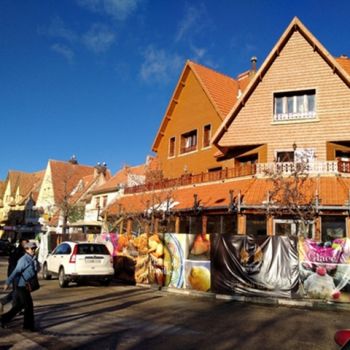
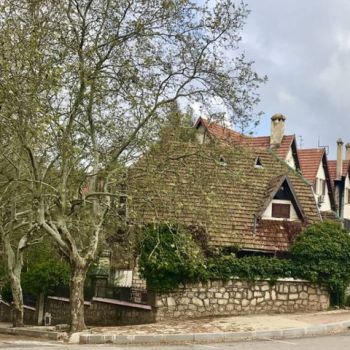
After breakfast at the hotel, drive to Fes, one of the four ancient imperial cities of Morocco, have a local lunch on the way and pass through Ifrane Town. Then continue to Fes, have dinner upon arrival and check into the hotel for rest.
D5
day 5
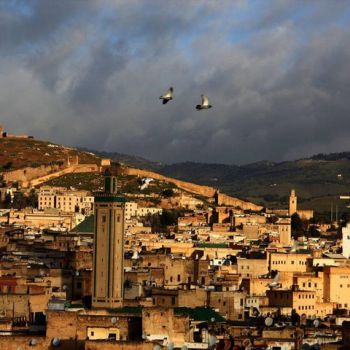
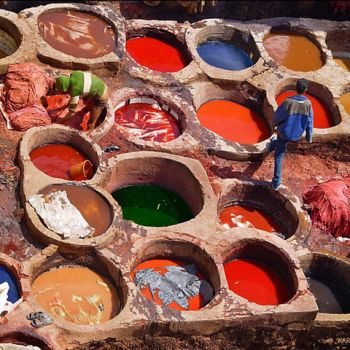
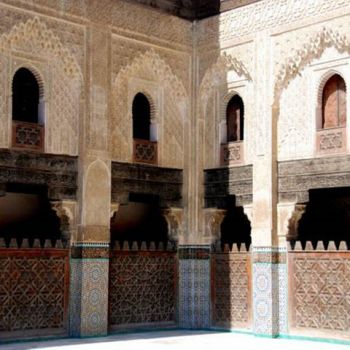
After breakfast at the hotel, visit the 9th-century Fes el-Bali, rated as one of the world’s 10 most romantic cities by the renowned American magazine *Traveler*. Stepping into it feels like traveling back a thousand years, where donkeys remain the main means of transportation for the locals. Explore the medieval old town, a UNESCO World Cultural Heritage Site since 1981, including the Bou Inania Medersa, Nejjarine Fountain, the Mausoleum of Moulay Idriss Zaouia (the founder of the ancient capital), the exterior of the University of Al-Qarawiyyin—the world’s oldest university, and the exterior of Bab Bou Jeloud. Visit the world-famous workshops producing a variety of handicrafts such as copper plates, carpets, and dyeing mills.
Blue mosaic inlays adorn buildings, interior decorations and mosaic crafts displayed in shops can be seen everywhere in the city. Later, head to Meknes, an ancient Islamic capital of Morocco, famous for its magnificent ancient city walls and the Bab Mansour Gate, which means "Victory and Triumph"; also visit the Royal Stables and Granaries of Morocco. Next, explore Volubilis, a Roman relic in northern Morocco. According to records, it was a prosperous city in the 1st century AD with a thriving scene. Today, well-preserved white stone columns of the Triumphal Arch and Theater stand here, and even the ancient city’s streets, residential houses, oil mills, public baths, markets and other structures are still clearly visible, along with numerous mosaic murals.
Afterwards, proceed to Chefchaouen or Tetouan, have dinner and check into the hotel for rest.
D6
day 6
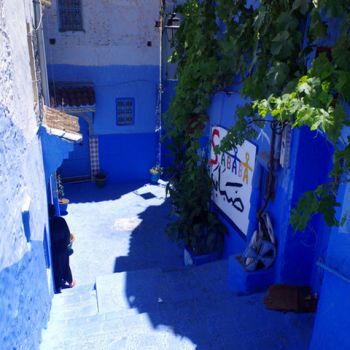
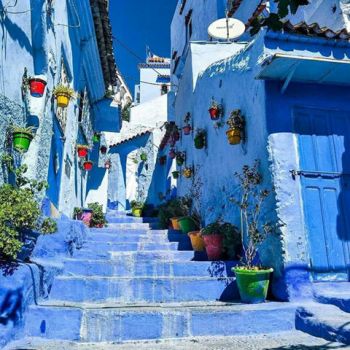
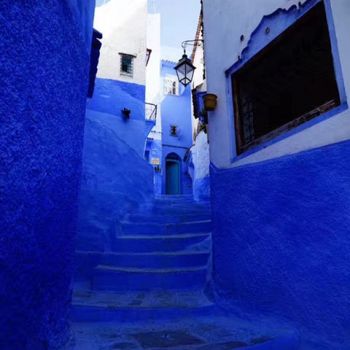
After the hotel breakfast, explore the charming blue town of Chefchaouen. As a renowned tourist destination in Morocco, its pure and fresh air, perpetually blue sky and the well-proportioned Arabic-style town form a natural blue picture scroll. Stroll along the famous Plaza Uta el-Hammam on the irregular cobblestone roads, and you will instantly feel as if you have stepped into a different world. The weathered castle surrounded by red city walls and the striking Grand Mosque on the square all attract tourists to visit and pay homage, even evoking an urge to embrace the beauty of the town. After lunch, drive to Casablanca and conclude this pleasant journey.
Morocco Circuit Tour
Contact for private tours
- Working Hours

For WeChat contact, please scan the QR code.

Climate & Temperature